Berberine: Nature’s Metformin?
Metabolic Health & Longevity
Berberine: The Plant Compound Mark Hyman Calls “Nature’s Metformin”
Few natural compounds have earned the kind of attention berberine has in the functional and longevity medicine world. Dr. Mark Hyman — founder of the UltraWellness Center and a prominent voice in functional medicine — has repeatedly described berberine as “nature’s metformin,” referring to the widely prescribed type 2 diabetes medication. Andrew Huberman has also discussed berberine on his podcast, specifically in the context of metabolic health and the cellular energy sensor AMPK.
So what exactly is berberine, why is it being compared to a prescription drug, and is that comparison fair? Here’s what the research and these experts have said.
What Is Berberine?
Berberine is a bioactive compound found in several plants, including barberry, goldenseal, Oregon grape, and tree turmeric. It has a long history of use in traditional Chinese and Ayurvedic medicine, where it was primarily used for digestive complaints. Modern research has shifted the focus toward berberine’s effects on blood sugar regulation, lipid metabolism, and insulin sensitivity — which is exactly why it’s drawn comparisons to metformin.
The AMPK Connection
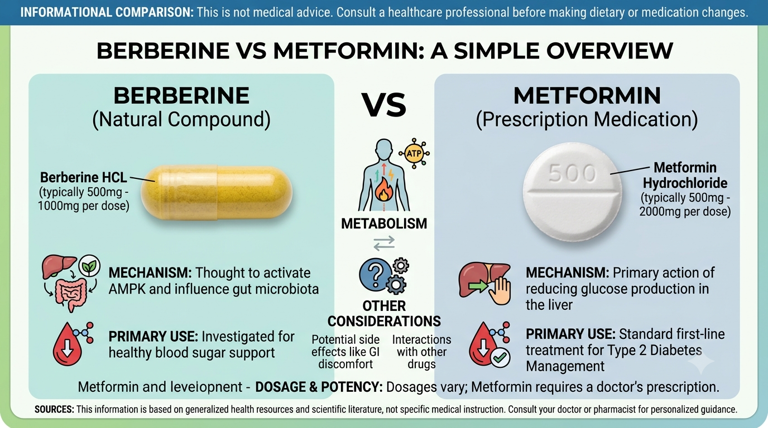
One of the most-discussed mechanisms behind berberine is its effect on AMPK (AMP-activated protein kinase) — often described as the body’s cellular “energy sensor” or “metabolic master switch.” AMPK gets activated naturally during states of energy scarcity, such as fasting or intense exercise, and when activated, it shifts the body toward burning stored fuel, improving insulin sensitivity, and supporting mitochondrial function.
Andrew Huberman has discussed how berberine appears to activate AMPK in a way that mimics some of the metabolic effects of fasting — without requiring an actual fast. This is part of why it’s often grouped with compounds like metformin, which also influences AMPK signaling, even though the two work through somewhat different upstream mechanisms.
What Mark Hyman Says About Berberine
Mark Hyman has been one of the most vocal proponents of berberine in the functional medicine space, frequently pointing to research comparing its blood-sugar-lowering effects to metformin in head-to-head studies. Hyman’s broader framing is that berberine fits into a “food as medicine” philosophy: a plant-derived compound that may offer some of the metabolic benefits associated with pharmaceutical interventions, for people who are working on insulin resistance, prediabetes, or general metabolic health — always alongside, not instead of, dietary and lifestyle changes.
What the Research Shows
Clinical studies on berberine have generally used doses in the range of 500 mg to 1,500 mg per day, typically split into two or three doses taken with meals. Findings from these studies have included:
- Blood glucose — Several studies have found berberine can lower fasting blood glucose and HbA1c by amounts comparable to some oral diabetes medications in head-to-head comparisons.
- Lipid profile — Research has shown potential reductions in LDL cholesterol and triglycerides, along with modest increases in HDL in some studies.
- Insulin sensitivity — Berberine appears to improve how effectively the body responds to insulin, which is central to its proposed role in metabolic health.
- Gut microbiome — Some research suggests berberine may influence gut bacteria composition in ways that could contribute to its metabolic effects, though this area is still developing.
It’s worth emphasizing that while some studies have found effects comparable to metformin in their specific trial populations, berberine has not undergone the decades of large-scale, long-term outcome trials that metformin has. “Comparable in a study” is not the same as “equivalent in real-world, long-term use.”
Important Safety Considerations
- Don’t combine with fasting or take on an empty stomach without guidance — because berberine can lower blood sugar, combining it with intermittent fasting or an empty stomach may increase the risk of hypoglycemia, especially in people who are also taking other blood-sugar-lowering medications.
- Drug interactions — Berberine can interact with a number of medications, including some statins, blood thinners, and diabetes medications, partly because it affects liver enzymes involved in drug metabolism.
- Pregnancy — Berberine is generally not recommended during pregnancy.
This is precisely the kind of supplement where a conversation with your care team matters — not because berberine is dangerous for most healthy adults, but because its blood-sugar-lowering effect means timing and combination with other medications or fasting protocols genuinely matters.
Who Might Consider Berberine?
- People with prediabetes or insulin resistance looking for additional metabolic support alongside diet and exercise changes
- People interested in lipid management as part of a broader cardiovascular health strategy
- Longevity-focused individuals interested in AMPK activation as part of a “metabolic flexibility” approach
It is not positioned by any of these experts as a replacement for prescribed medications, and anyone currently taking medication for diabetes, cholesterol, or blood pressure should not add berberine without first discussing it with their physician.
The Provena Care Approach
At Provena Care, our longevity membership includes comprehensive metabolic panels — fasting glucose, HbA1c, fasting insulin, and a full lipid panel — so that if berberine or similar interventions are something you’re curious about, we can have that conversation grounded in your actual numbers, and monitor your response over time. Metabolic health is one of the foundational pillars of long-term healthspan, and supplements like berberine are best considered as one piece of a larger, personalized picture.
Frequently Asked Questions
Is berberine a substitute for metformin or other diabetes medication?
No. While some research has compared their effects, berberine should never replace a prescribed medication without a physician’s guidance.
How long does it take to see effects from berberine?
Most studies measuring blood sugar or lipid changes have looked at periods of 8–12 weeks of consistent use, though individual responses vary.
Can I take berberine while intermittent fasting?
This combination has been specifically flagged as a potential concern due to hypoglycemia risk. Talk to your provider before combining the two.
Does Provena Care offer berberine?
Our Provena Care wellness shop carries a range of metabolic health supplements. Ask your care team during your visit about what might fit your specific lab profile.
Disclaimer: This article is for educational and informational purposes only and does not constitute medical advice, diagnosis, or treatment. Always consult a qualified healthcare provider before starting any new supplement, particularly if you are pregnant, breastfeeding, or currently taking medication.